The rule in one line: a gold-plated watch is ruined by rubbing, not by time. The gilt layer is a few microns thick and wears away where the watch makes contact — the edges of the case, the caseback, the bracelet links. It cannot be redone: replating erases the original finish and often the markings on the caseback, and a replated piece is worth less than an honestly worn one. In today's selection, roughly half the pieces have plating or gilt parts.
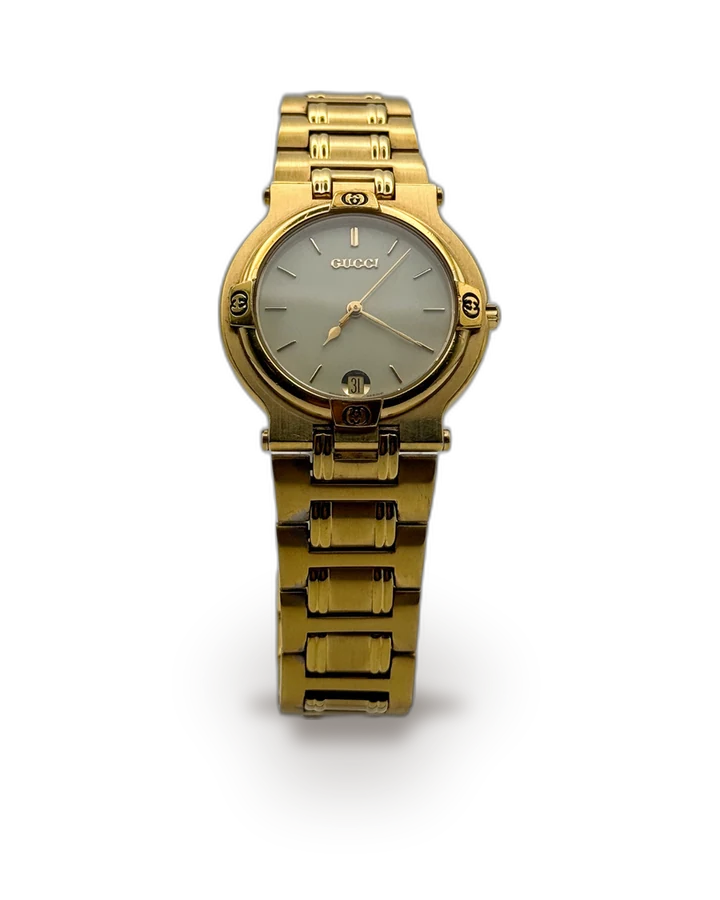
The dial and the crystal have nothing to do with the plating: a perfect dial on a worn case is entirely normal.
A dead battery left inside can leak, and the liquid damages the movement, often beyond repair. It is the most common and the most avoidable damage on vintage quartz watches: if the watch stops and then sits in a drawer for months, the risk is real.
Two habits are enough: change the battery when the watch stops, and have it removed if you know you will not wear the piece for a long while. Before sale we always change the battery and check the movement, but from then on it depends on how it is kept.
On a thirty-year-old watch, some marks on the edges are normal and not a flaw. The point is not to find an untouched one at any cost: it is to know what you are buying beforehand. So when there is a particular mark worth flagging — a scratched bezel, plating worn at one point, a mark on the strap — we write it in the listing instead of leaving it to the photographs alone.
If you would rather avoid the matter altogether, the answer is steel: it has nothing to wear away, it takes daily use, and it can be polished without losing anything.
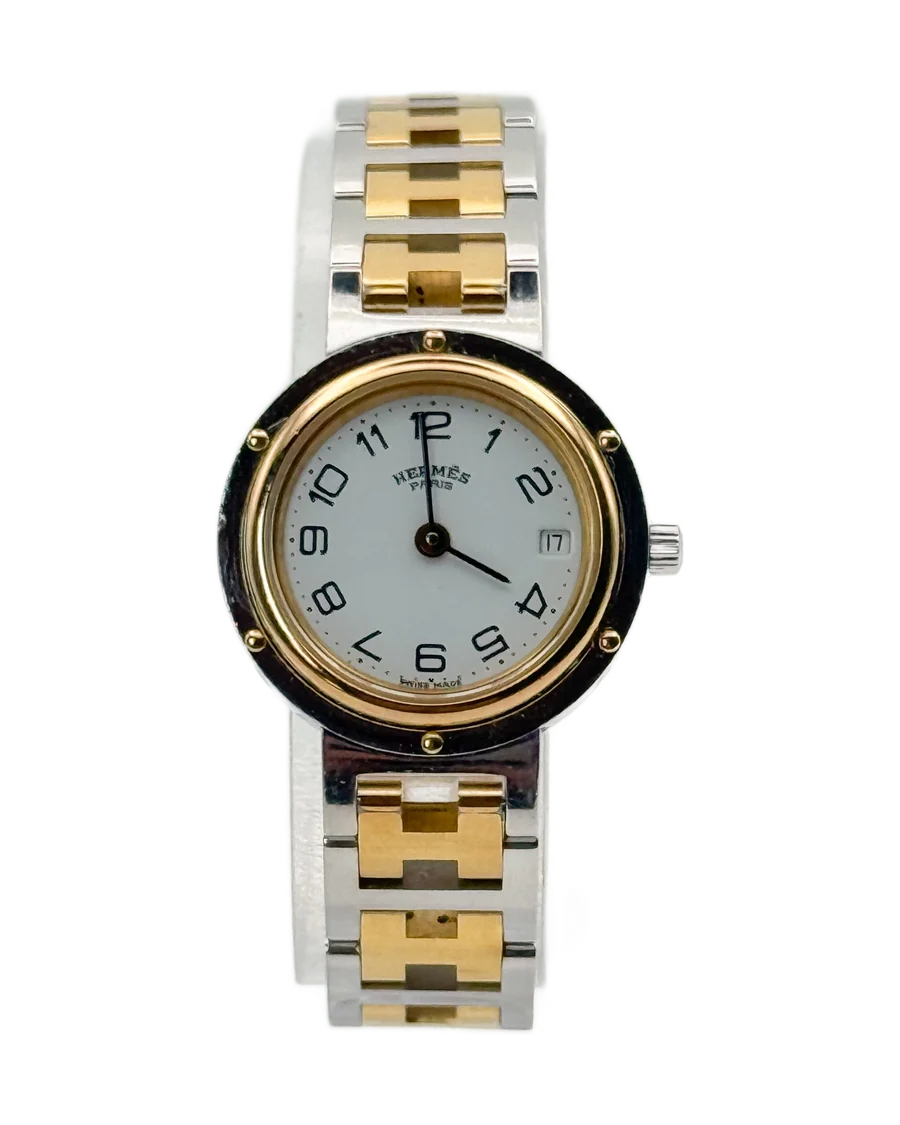
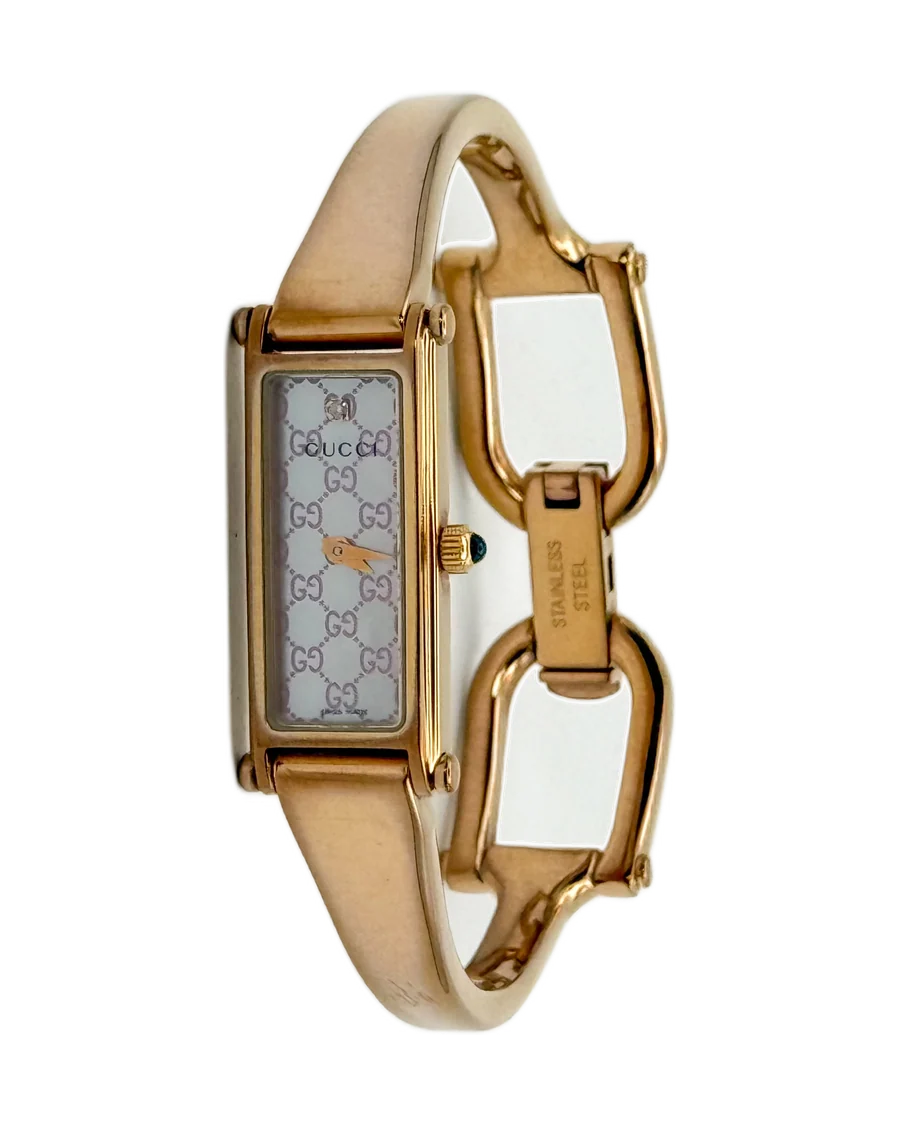
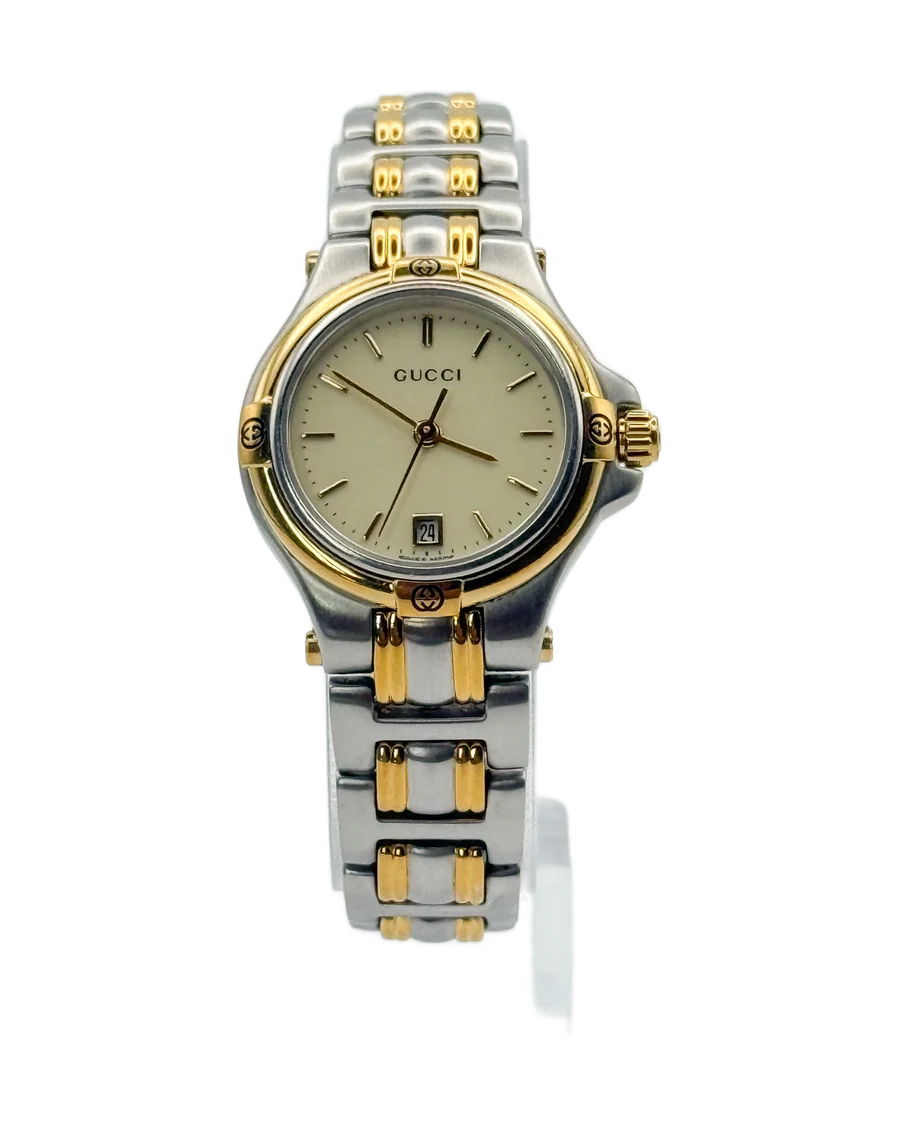
Technically yes, but we advise against it. Replating erases the original finish and often the markings on the caseback, and a replated piece is worth less than one with honest wear. Anyone who knows these watches spots it immediately.
Better not. The gaskets are thirty years old, and «water resistant» on the caseback refers to when the watch was new. A few drops of rain will not hurt it; a shower or the sea will.
When the watch stops, and no later. A dead battery left inside can leak and ruin the movement: it is the most common damage on vintage quartz watches. If you will not wear it for months, have it removed.
On steel, yes, if the marks bother you. On gold plate, no: polishing means removing plating, and it does not come back. Say so to whoever handles the watch, because they do not always ask.
