In the other histories we have written there always comes a point where we have to say: the year cannot be established. With Longines it can. The company has kept production records since 1867 and, on request, will look up your watch from the serial number on the movement. The reason is simple: Longines is not a fashion house with a watch line, it is a watch factory, founded in 1832 in Saint-Imier. That changes almost everything — but not everything, and the part that changes least dates from 1983.
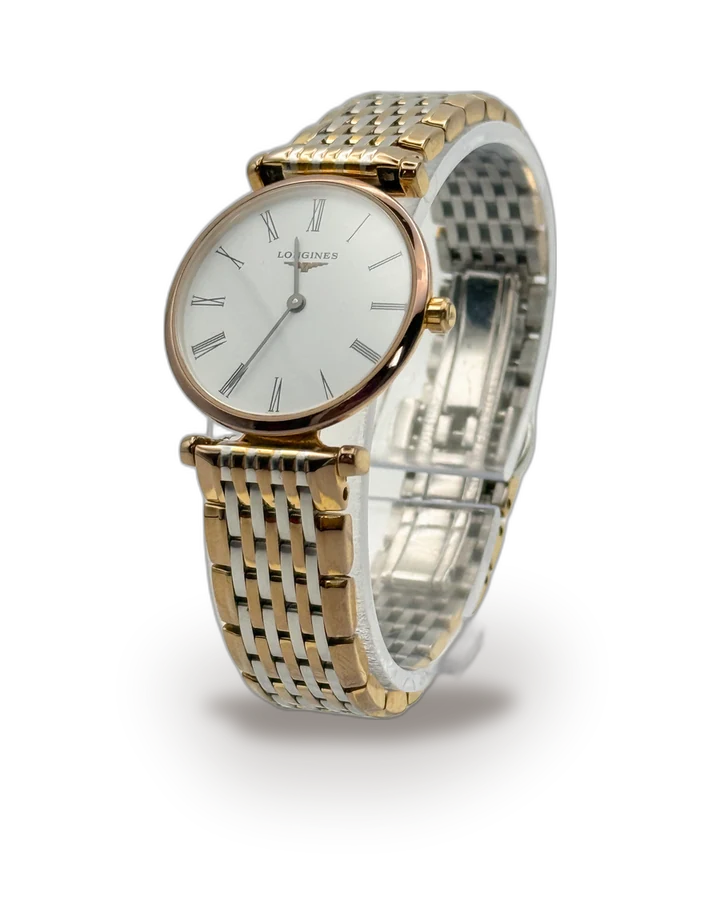
Auguste Agassiz starts in 1832 in Saint-Imier, in the Swiss Jura, with a watch trading business. The system of the day was called établissage: watchmakers worked at home, each on one part, and delivered to the trading office that assembled and sold. There was no factory, there was a network.
Agassiz's nephew, Ernest Francillon, did the thing almost nobody did at the time: bring every operation into a single building, with the parts made in house. He bought land on the right bank of the Suze, in a place called Es Longines — in dialect, the long meadows. That is where the name comes from.
Sources do not agree on the date: some place the land purchase in 1866 and the factory in 1867, others give 1867 outright. The maison's museum states 1867, and that is the date we use.
From that year Longines produced its own calibres. That is the difference that matters for the rest of this story: where the fashion houses bought or rented, here they built.
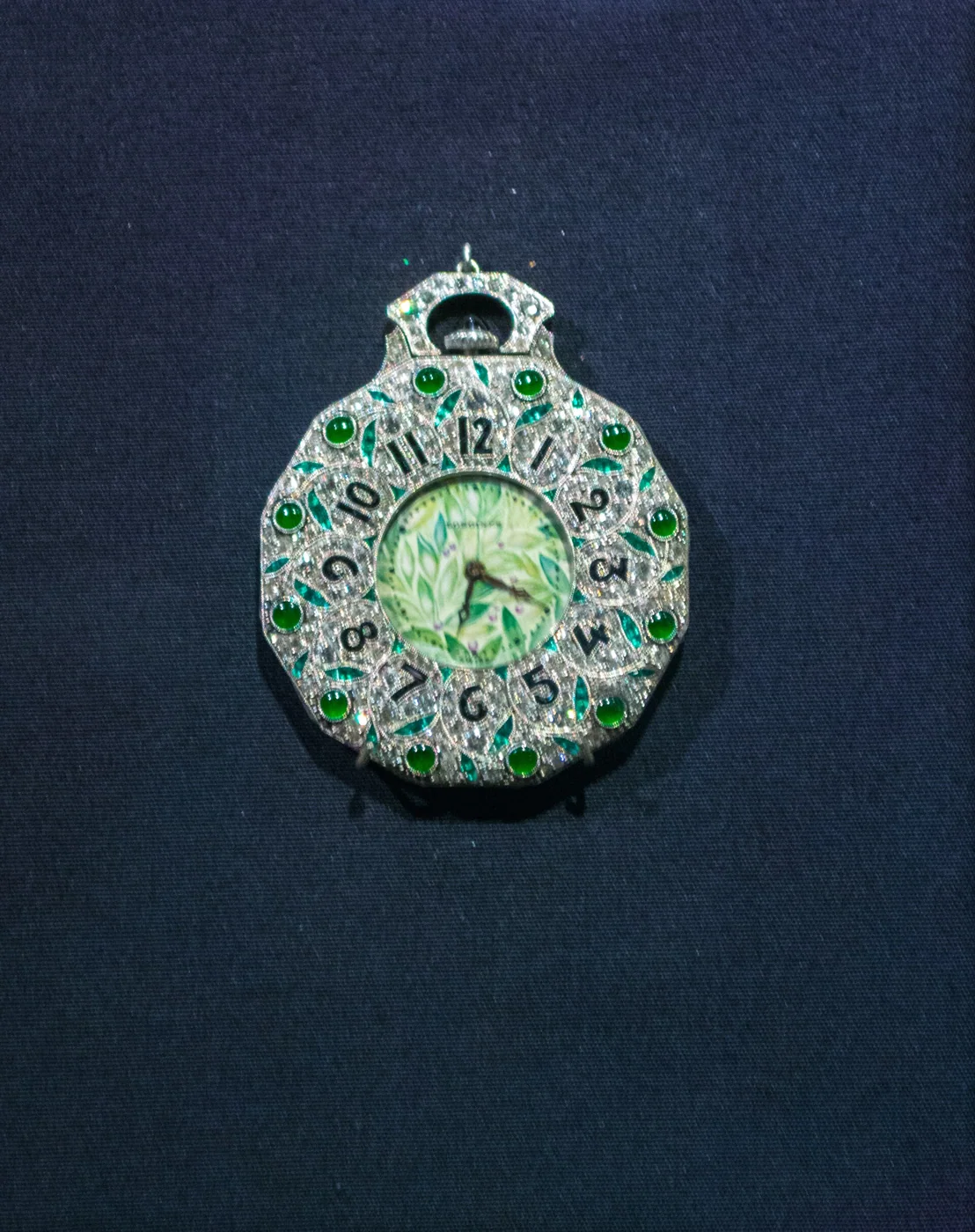
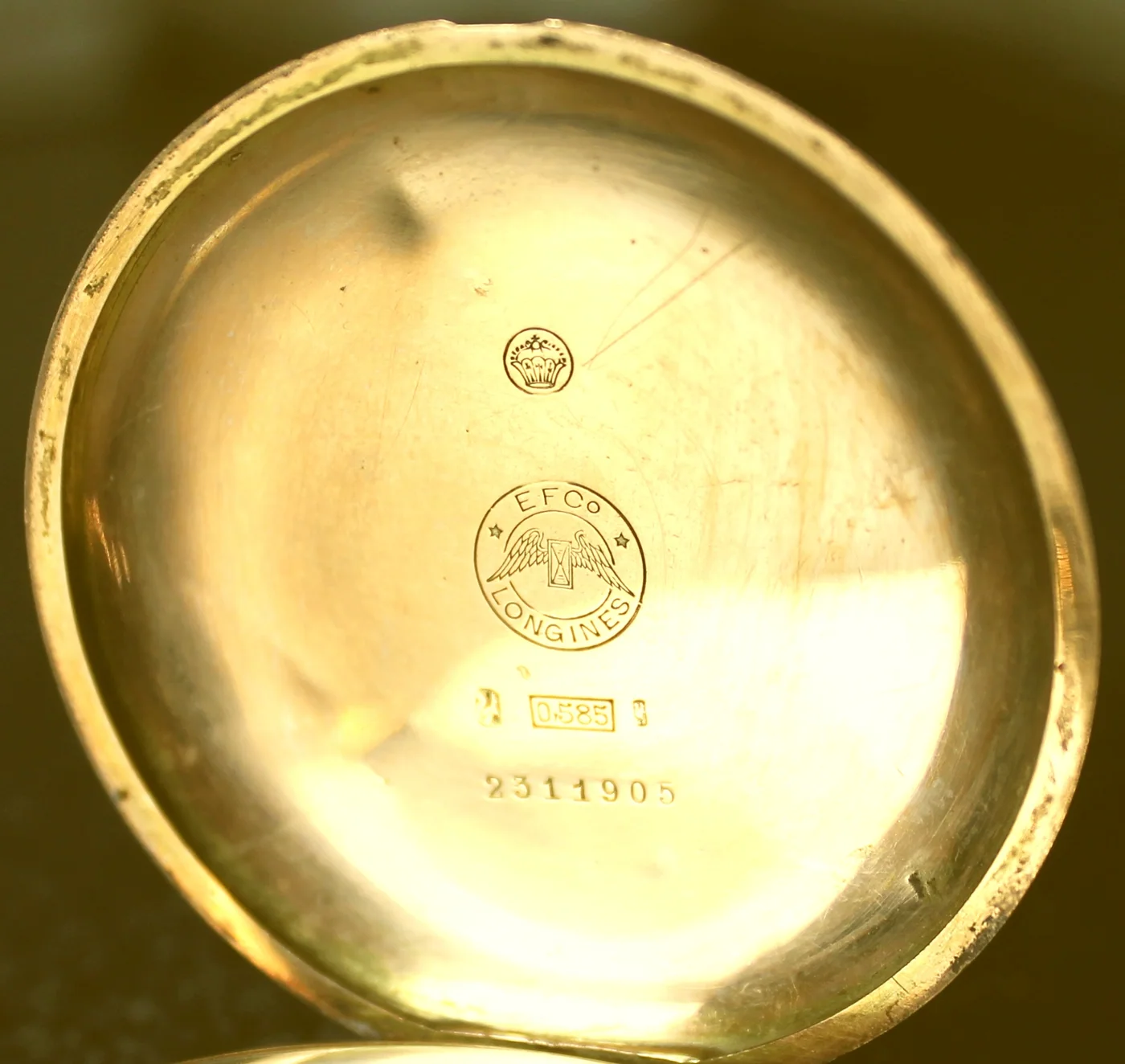
The mark — an hourglass with wings — has been used on the factory's products since its early years. The logo was registered in 1889; some sources give 1880 for the name. You will often read that it is the oldest registered trademark still in use unchanged: the wording varies from source to source, and we report it for what it is, a claimed record rather than a measurement.
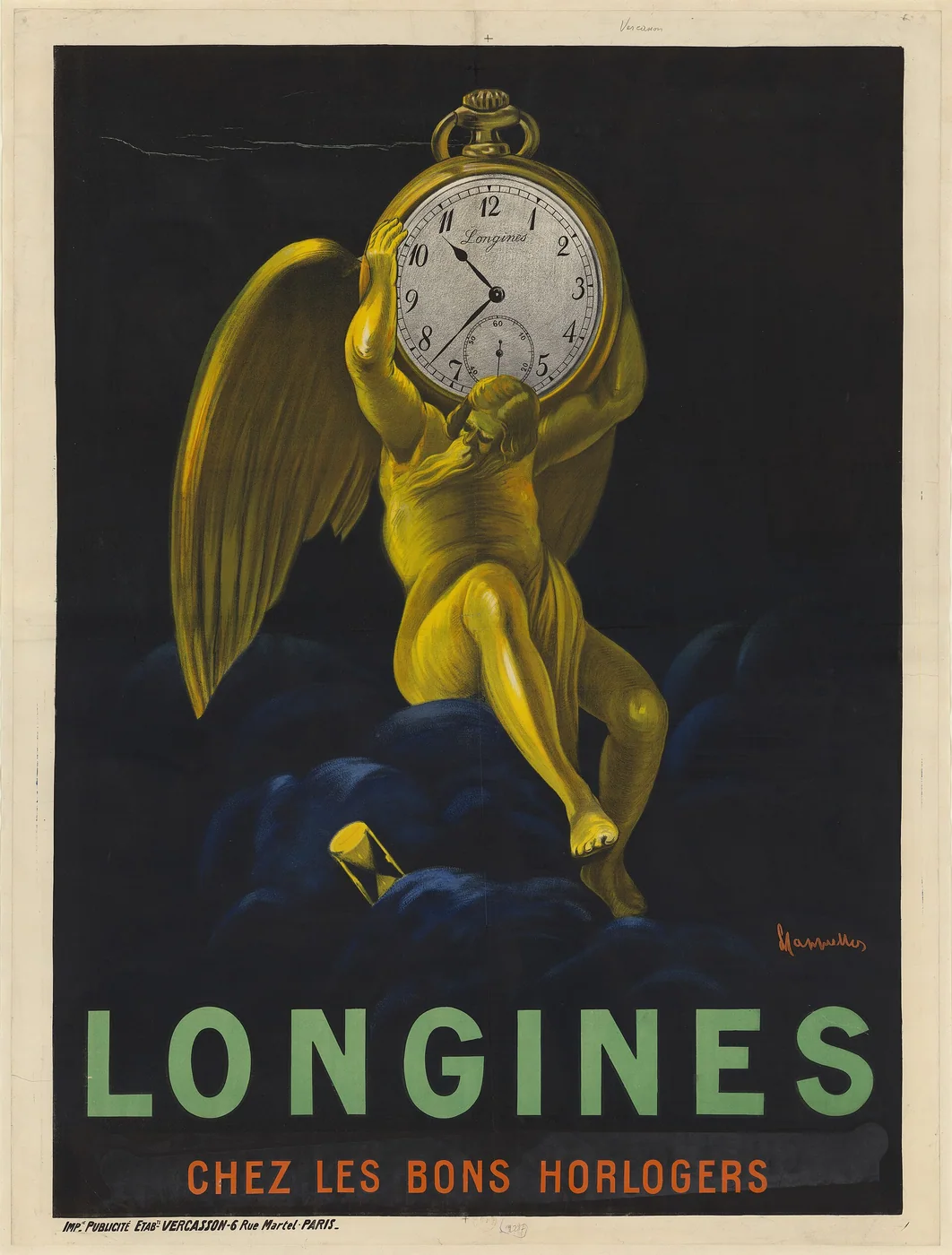
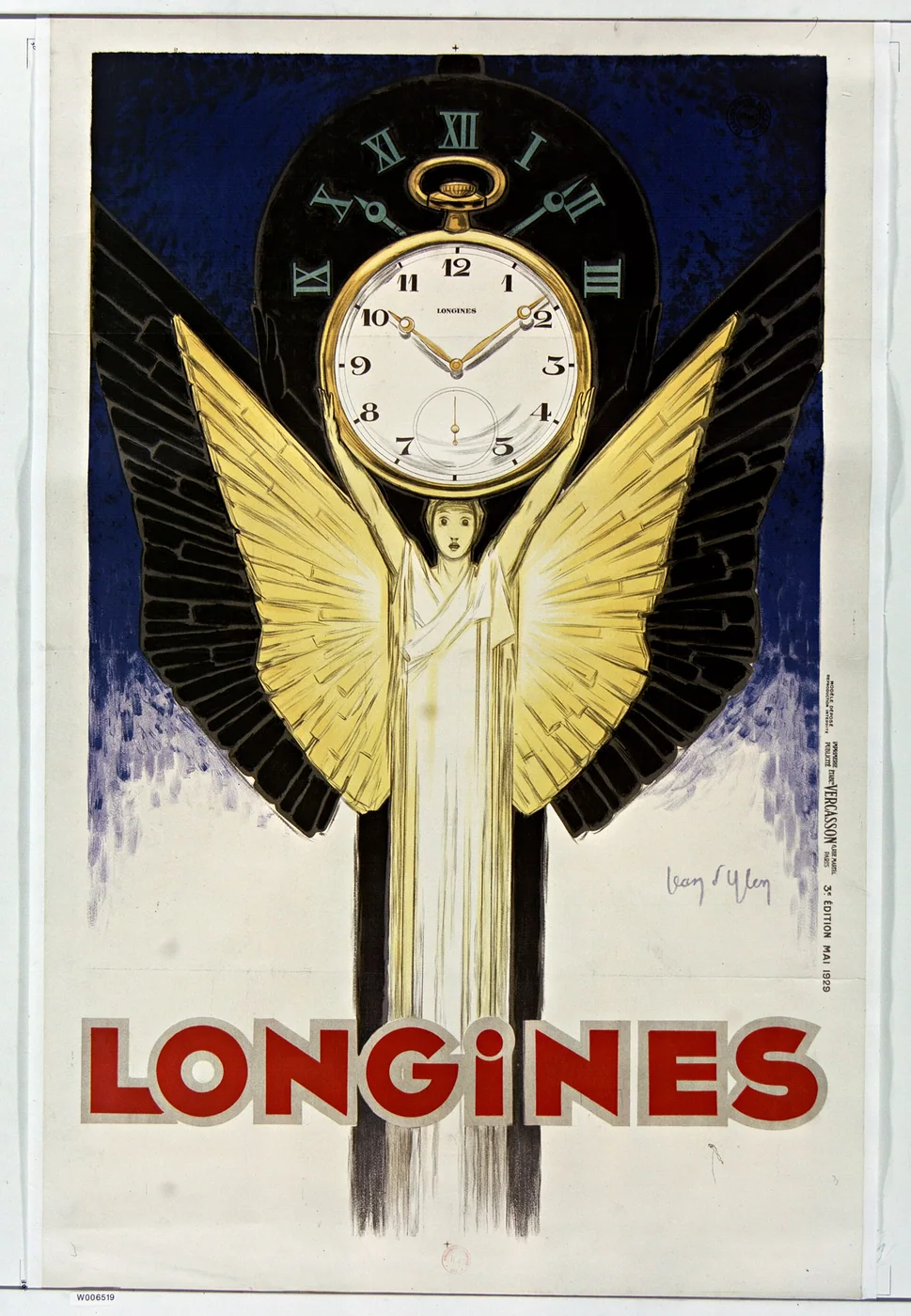
Longines has kept its production records since 1867 and offers two different services, which are worth not confusing.
The first is the Extract from the Archives: the maison looks up the serial number and issues, on headed paper, what the records show — usually the invoice date and the distributor the watch was delivered to. Note what it is not: Longines states explicitly that the extract does not certify the authenticity of the watch or of any of its parts. And the invoice date is not the date of sale to a customer: months can separate the two.
The second is the Certificate of Authenticity, and for that the watch has to be sent in: their watchmakers examine it. The stated turnaround is on the order of three months, shipping aside. Prices and times differ depending on where you read them, so the only place to look is the maison's own page.
One practical detail: the serial number is numeric, five to eight digits, and is often not on the case back but on the movement. In that case the case has to be opened, and that is a watchmaker's job.
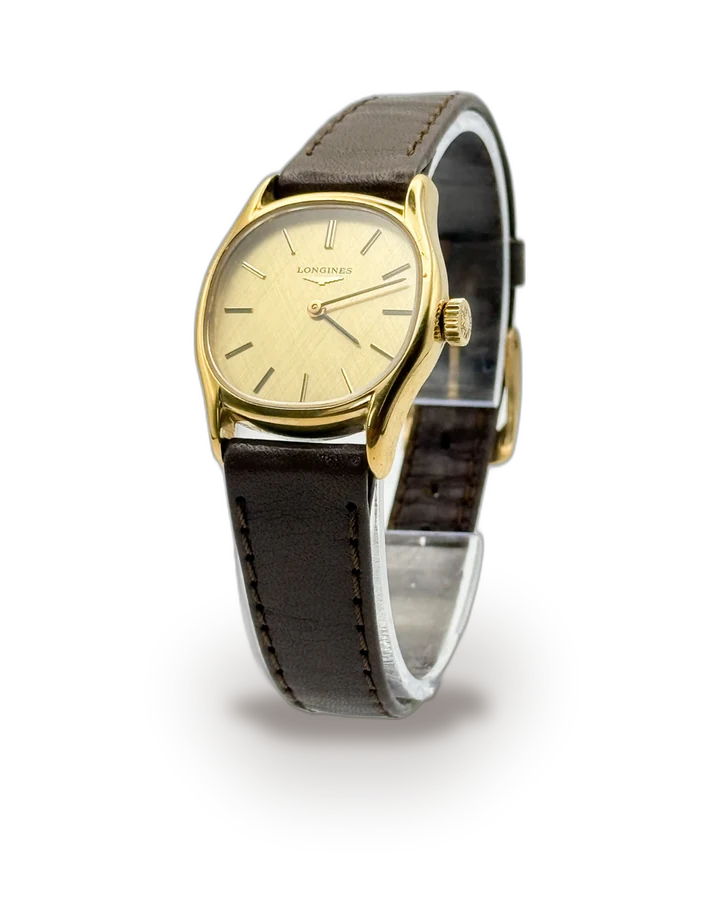
The list updates itself and shows only the pieces available right now.
In the Seventies Swiss watchmaking was overrun by Japanese quartz. The country's two large groups — ASUAG, founded in 1931 with the Swiss banks and with Longines among its members, and SSIH, founded in 1930 out of Omega and Tissot — both reached collapse. In 1983 they were merged, under Nicolas Hayek; from that merger comes the group now called the Swatch Group.
Longines has been part of that group since 1983 and has not developed or produced its own movements since: the quartz calibres found in Nineties watches come from ETA, which is in the same group. In the division of roles of the Nineties, Omega was placed at the top and Longines in a less expensive segment.
We say this because the word «manufacture» means different things depending on the age of the watch in your hand. A Seventies manual-wind Longines and a Nineties quartz carry the same name and are not the same thing. Neither is worse: they are two different objects, and the price reflects it.
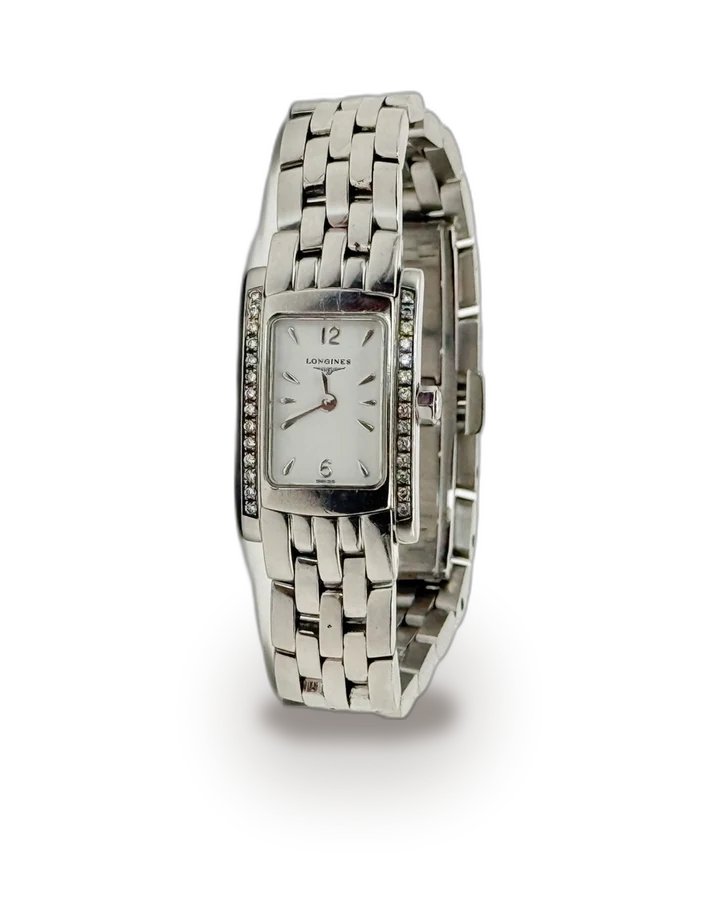
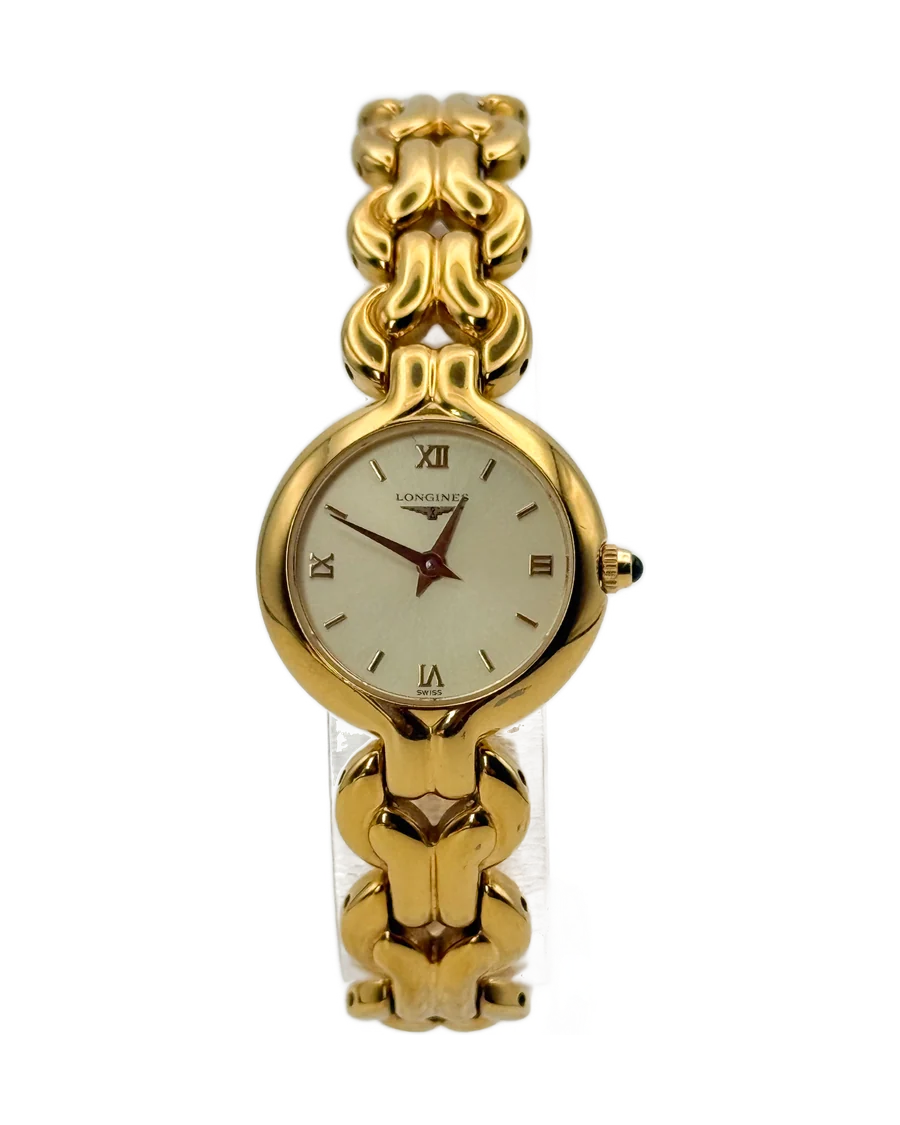
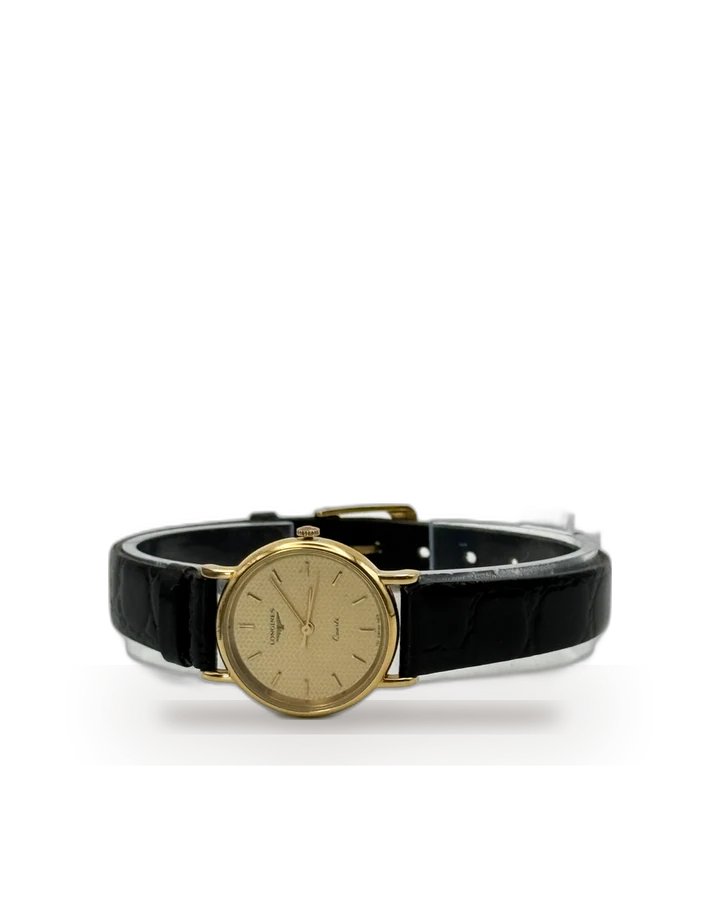
See all the available Longines watches
Almost always yes. You need the serial number on the movement, five to eight digits; Longines searches the records, which start in 1867, and issues an Extract from the Archives with what they show. If the number is on the movement rather than the case back, the case has to be opened by a watchmaker.
No, and Longines says so itself: the extract reports what the records show and does not certify the authenticity of the watch or of any of its parts. For a real examination there is the Certificate of Authenticity, which requires sending the watch in and takes on the order of three months.
It did, from 1867 onwards. Since 1983 it has been part of the group born from the merger of ASUAG and SSIH, today the Swatch Group, and since then it has not developed or produced its own movements: the quartz calibres come from ETA, which is in the same group.
In our catalogue the median price of a Longines is 570 euro against 330 for a Gucci. The difference is not the name: it is that here the movement was made by the same company that signs the dial, and that the year can be verified. Within the same brand, though, condition and completeness count first.


