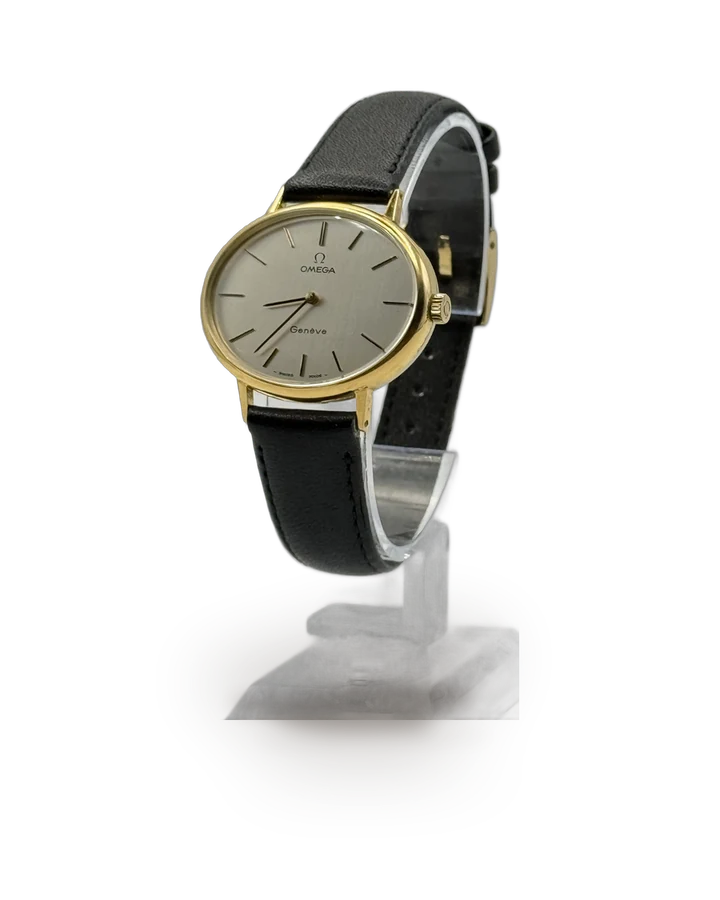
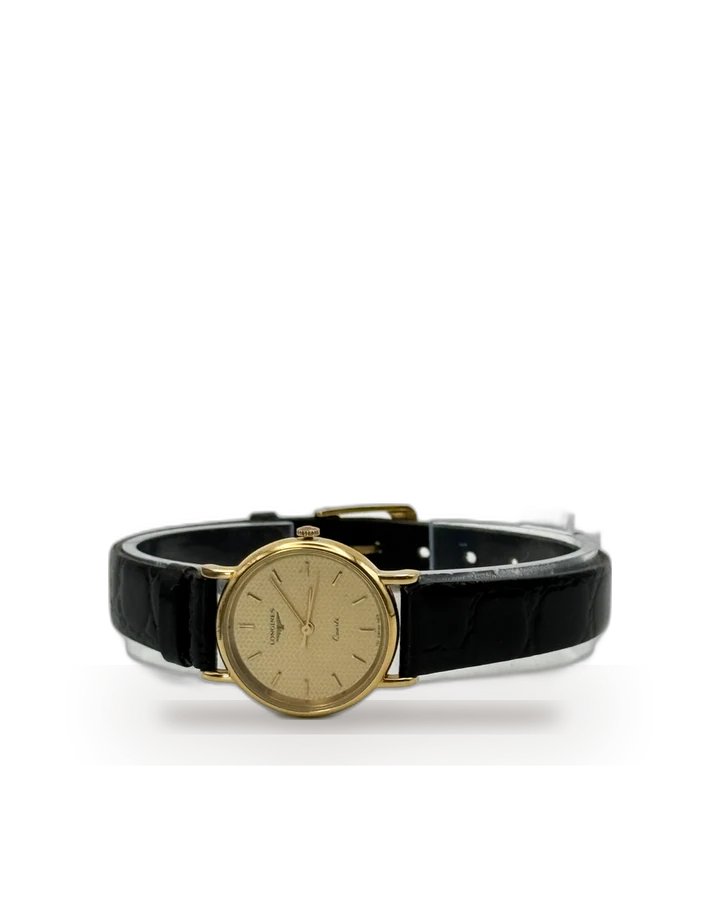
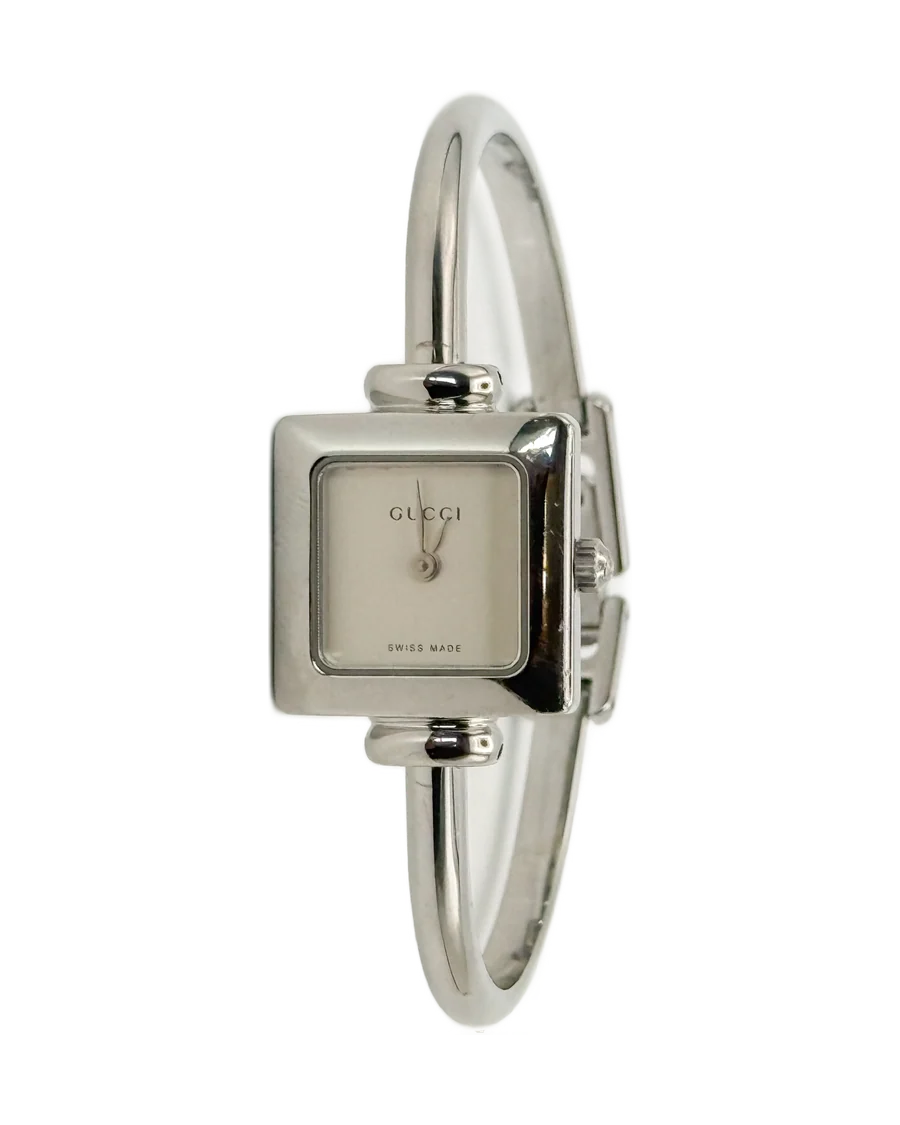
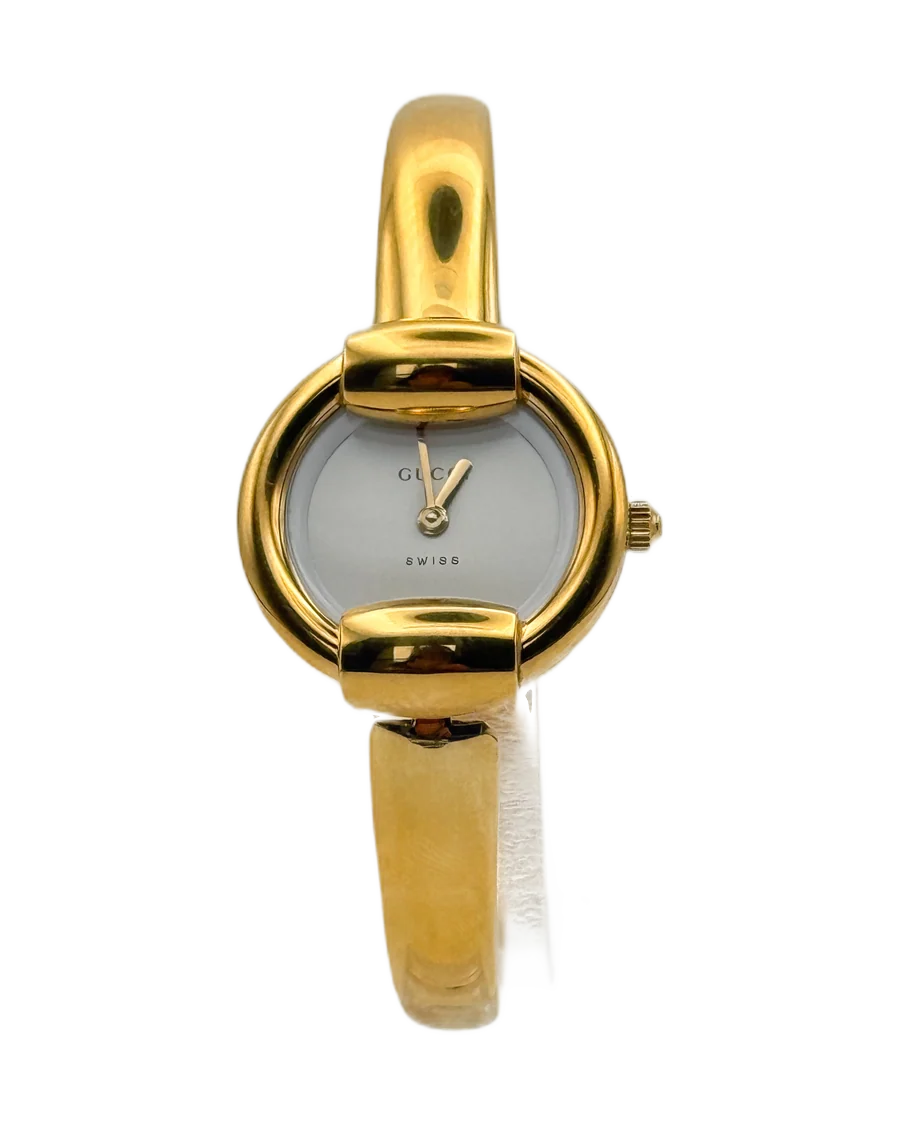
A cocktail watch is a piece of jewellery that tells the time. A dress watch is a watch that does not draw attention. It sounds like a nuance and instead it decides everything: the size, the shape, the material, how well it reads and how it is worn. In listings the two names are swapped constantly, so it is worth knowing which one you are buying.
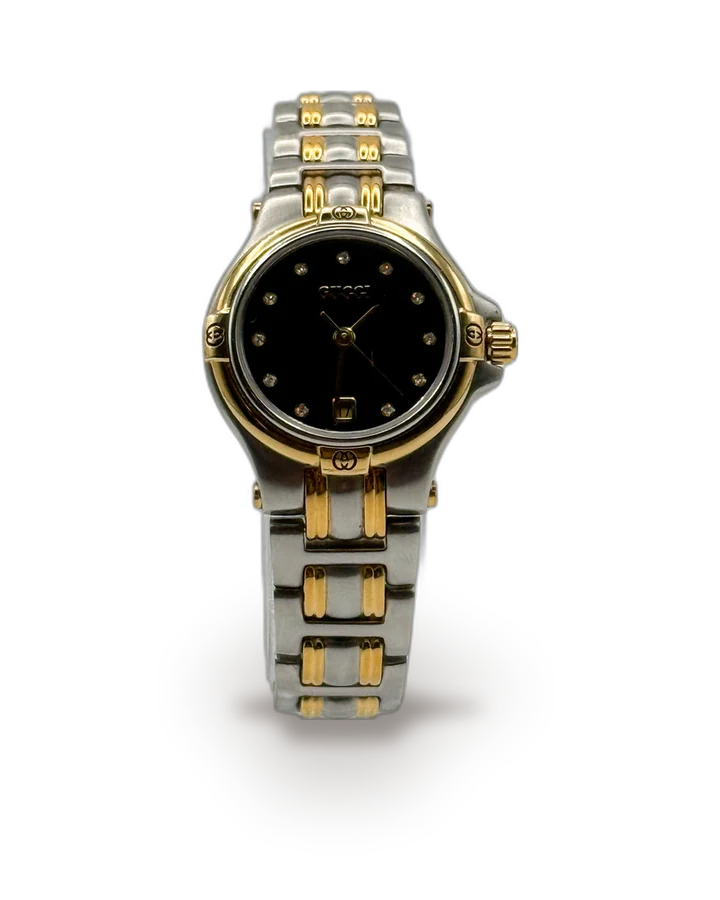
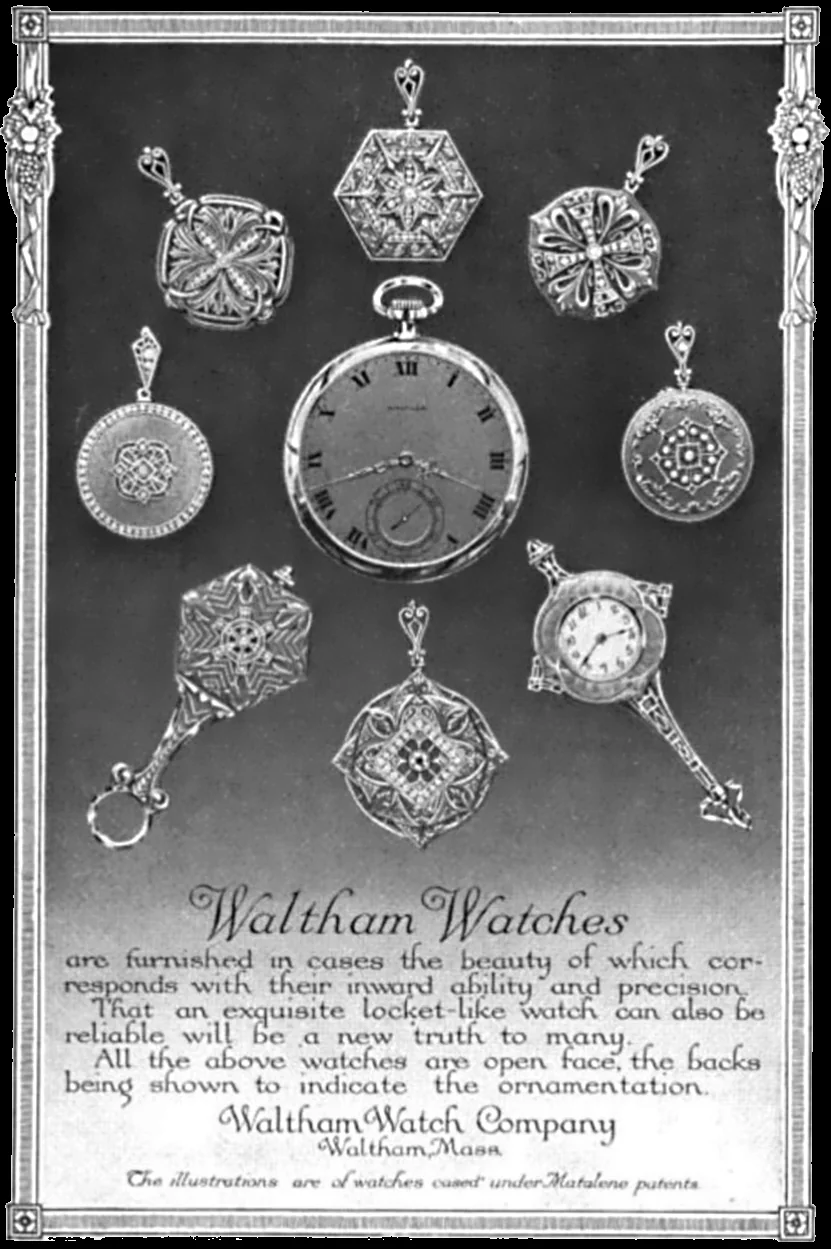
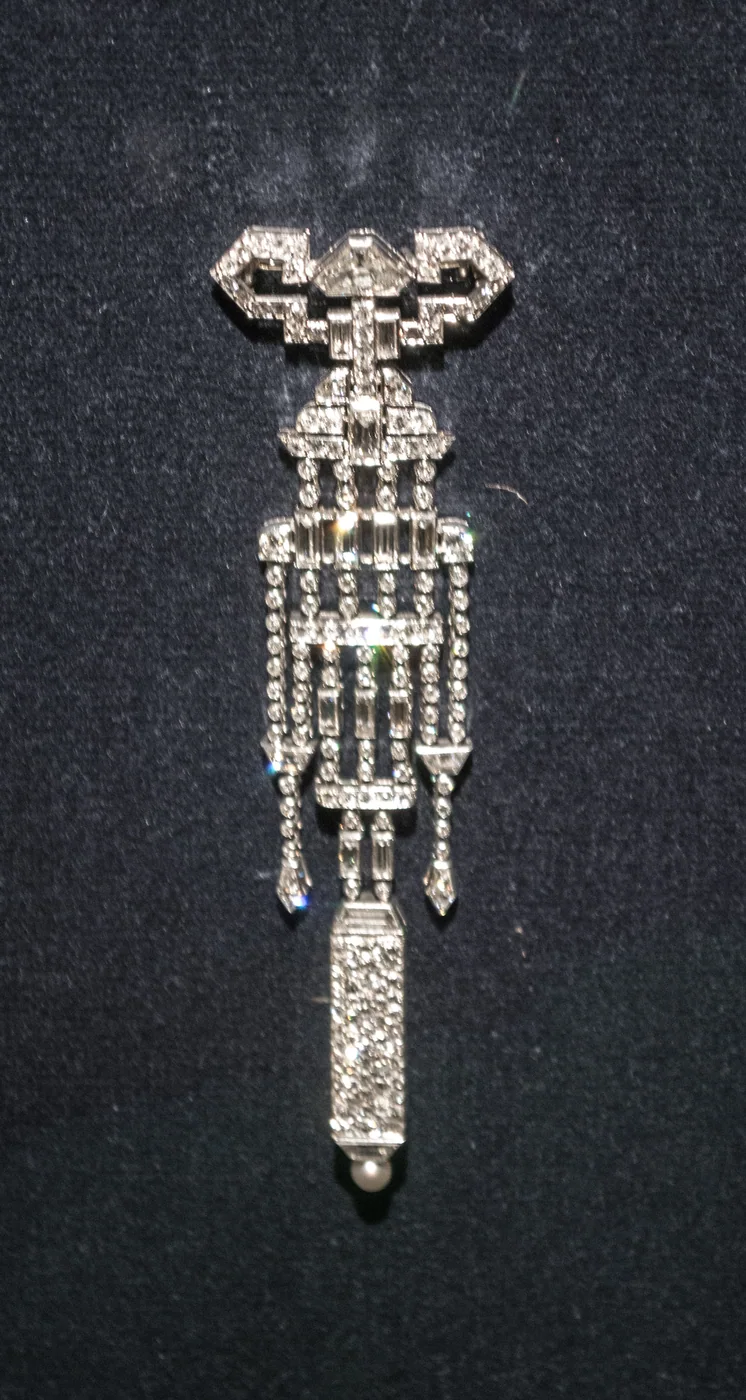
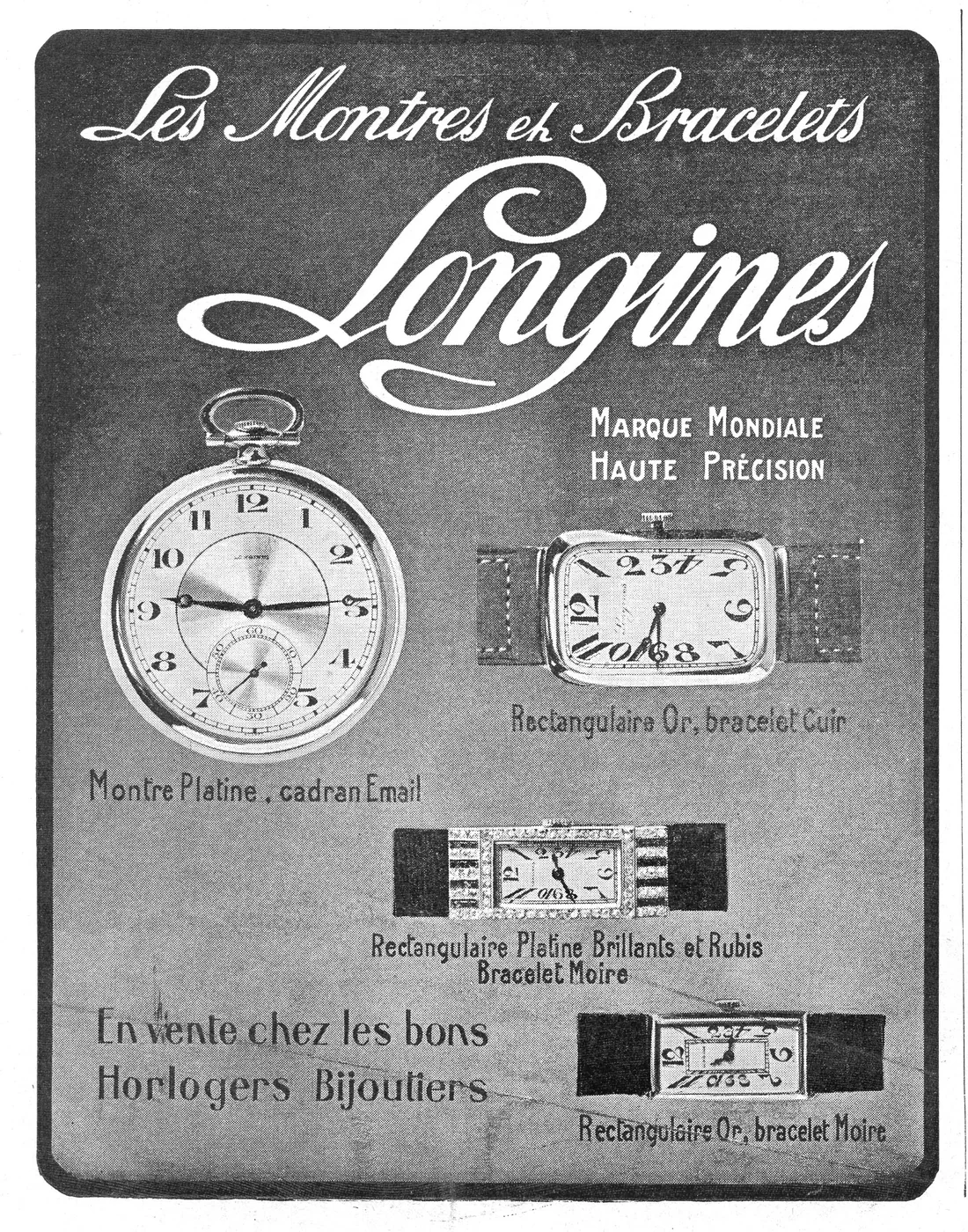
It appears between the Twenties and the Thirties, with Art Deco and with the kind of evening that gives it its name. The starting idea is the opposite of a watch's: the dial is the least important part. Cases were tiny — examples under 18 mm exist — and what counted was the bracelet, often platinum and diamonds, continuing the case without a break.
From there comes the montre à secret, the covered watch: the dial sits under a decorated plate and is uncovered only when needed. Houses such as Cartier, Patek Philippe, Vacheron Constantin and Jaeger-LeCoultre made them, and the logic is plain — at table, checking the time is rude, wearing a bracelet is not.
Sources disagree on the year of birth: some start in the early twentieth century, others in the Nineteen-tens, and nearly all agree the type takes hold in the Twenties. Production continues in quantity at least until the Fifties.
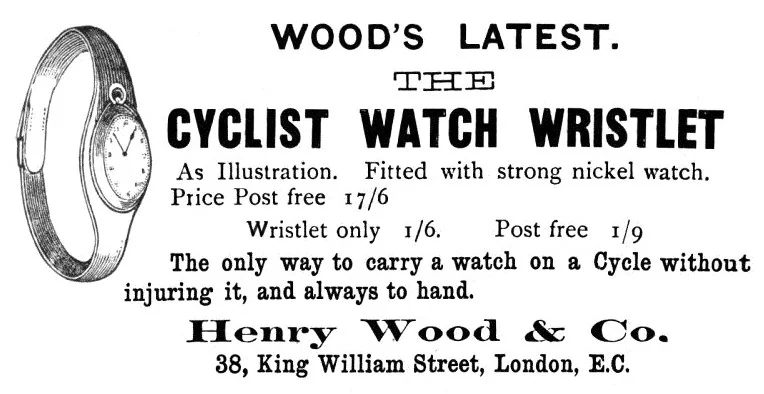
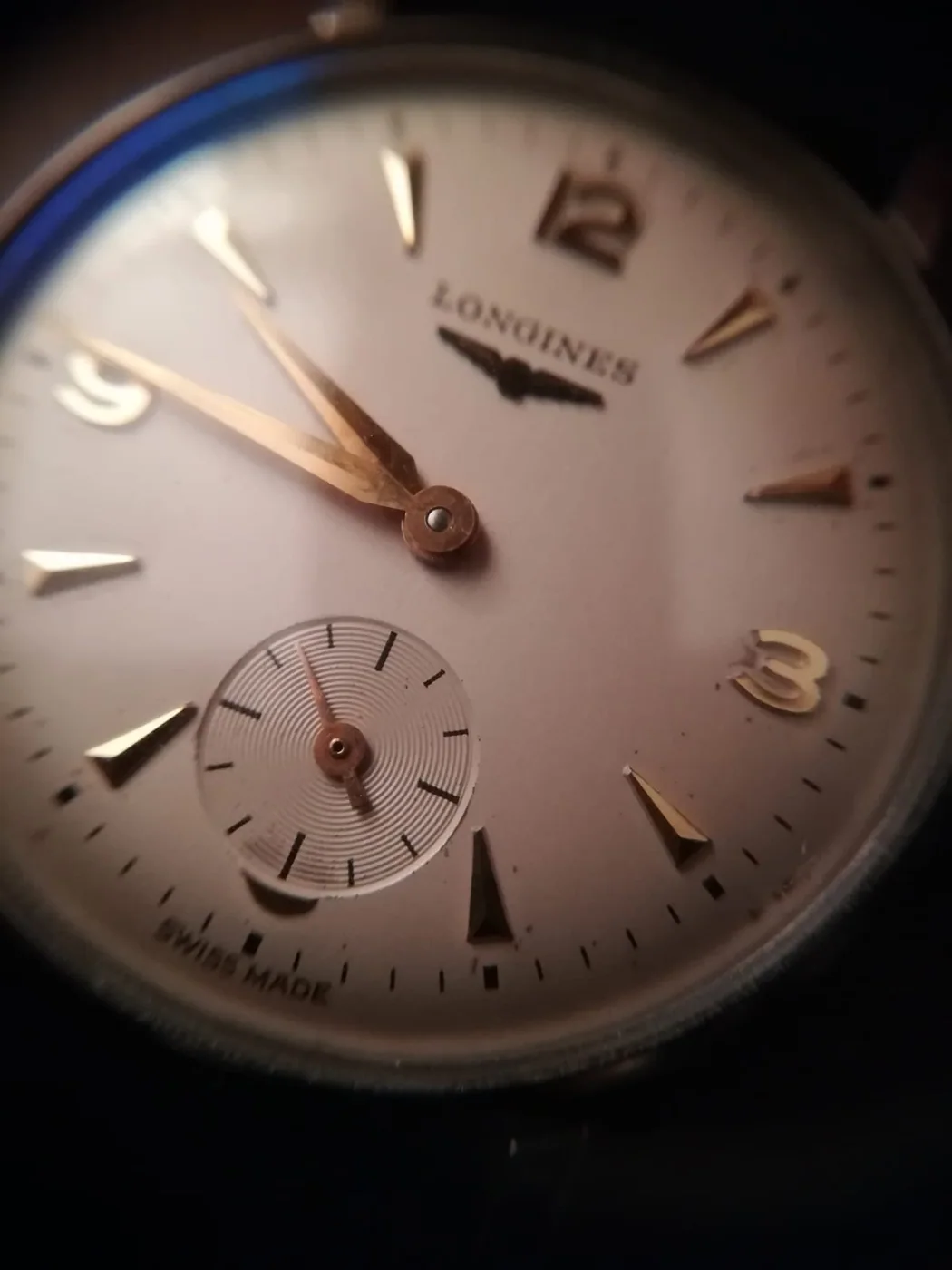
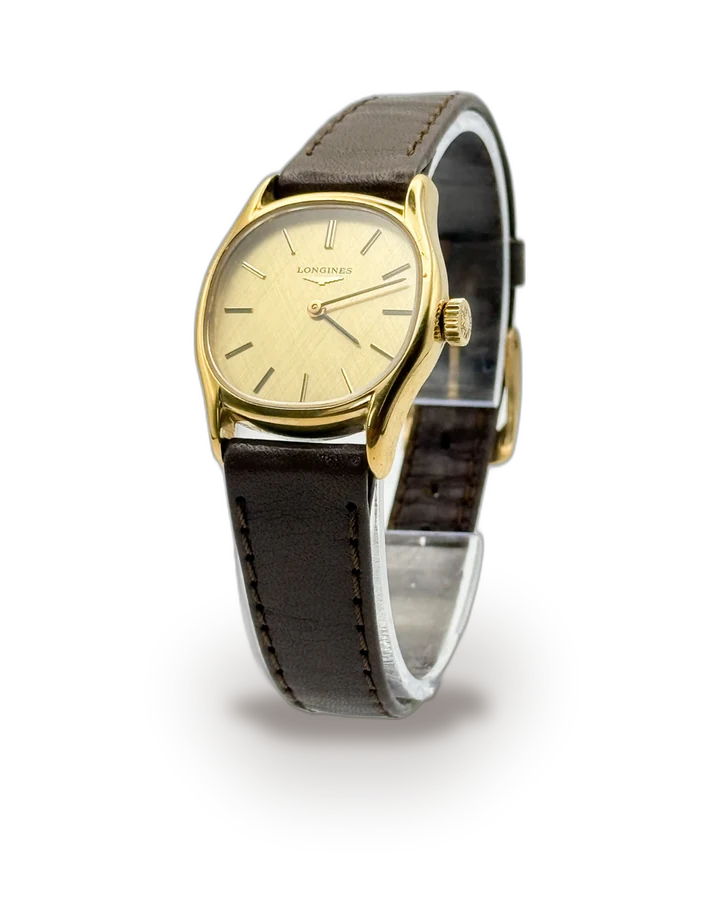
The dress watch comes from a practical problem: when the watch moves from the pocket to the wrist, it has to fit under a shirt cuff. Hence the rule you read everywhere — if you have to pull up your sleeve to see the time, it is not a dress watch — and everything else: a thin case, a clean dial, a leather strap, nothing that sticks out.
The reference everyone cites is the 1932 Patek Philippe, reference 96: three hands, 31 mm, a stripped dial. Two things are worth knowing that usually go unsaid. First: the name «Calatrava» as a collection name arrives much later, and today it is used as a generic term for any flat, sober watch. Second: «dress watch» is nobody's official category — it is an agreement between sellers and buyers, not a standard.
No expert eye is needed: four lines of the card are enough.
Out of 69 available watches the sizes run from 15 to 32 mm, with a median of 25: 22 are under 24 mm. 23 sit on a rigid bangle and 14 carry stones, mother-of-pearl or meteorite — that is to say, the evening side of the catalogue is large.
The classic dress watch, on the other hand, is rare with us: watches on a leather strap number 6 in all right now, and only some of those have the flat round case of the genre. It is the kind of piece we look for on request more often than we find it in stock.
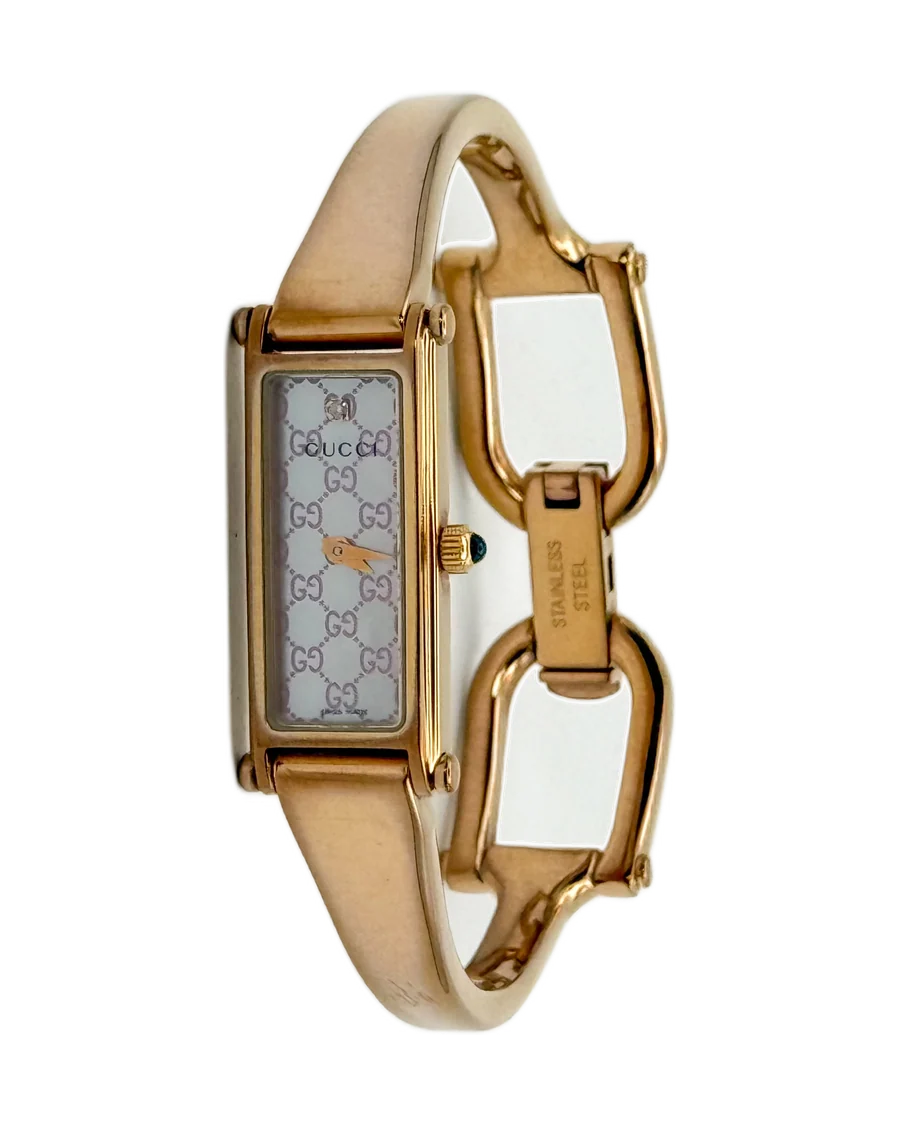
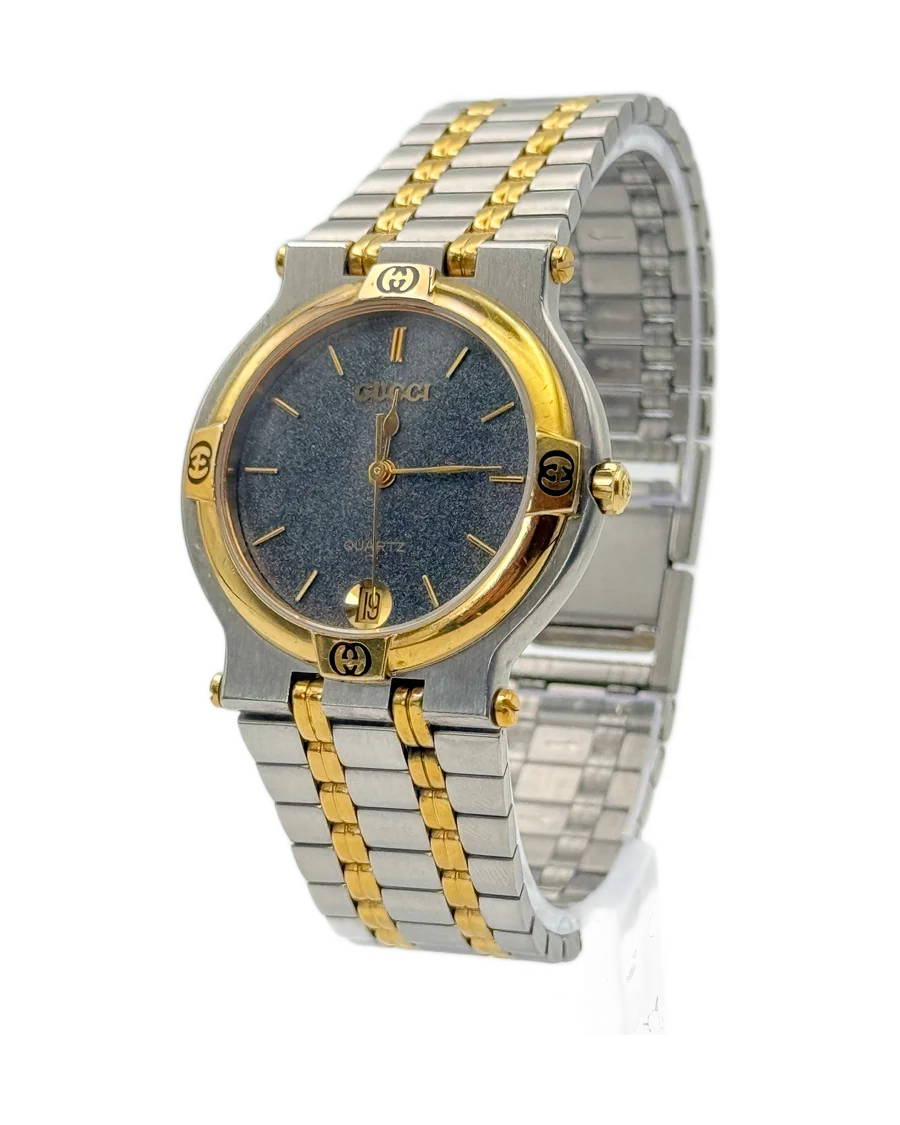
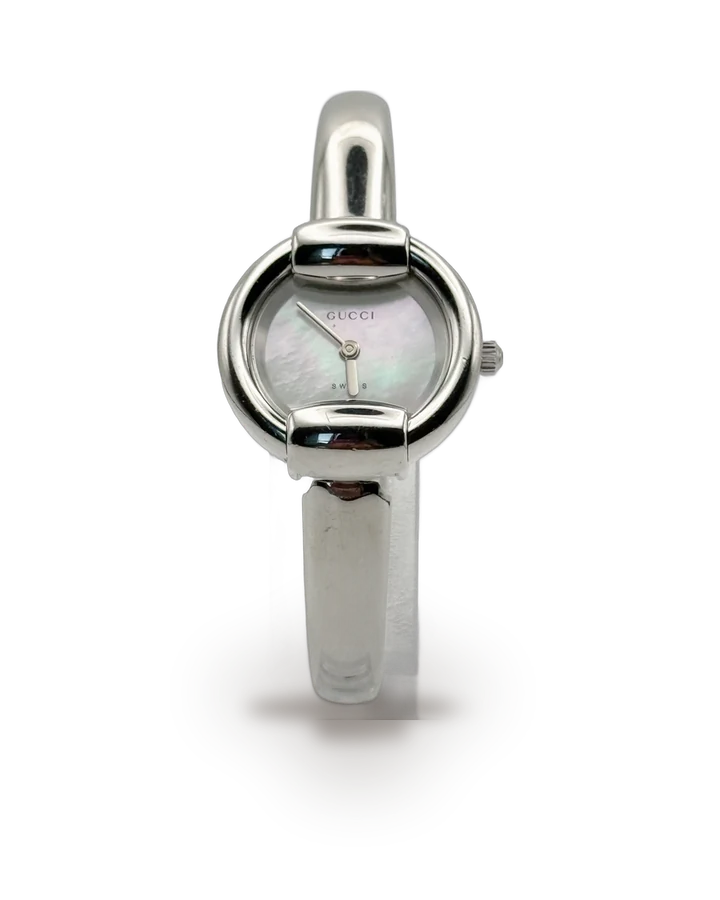
These are the pieces in the catalogue closest to the genre: a sober case, a strap, no decoration. If what you want is not here, the search on request exists for exactly that.
After twenty years of 42-44 mm cases the sizes have gone back down: new models come out between 36 and 39, and some brands have gone below. The jewellery bracelet came back with them — Cartier's 2023 reissue of the Baignoire, on a 1912 design, reopened the category — and with it the habit of wearing a watch alongside bracelets rather than on its own. Two-tone steel and gold, gone for years, is in the new collections again too.
On this it pays to be honest: most of what you read about trends is written by people selling, and «vintage» in shops almost always means «vintage-inspired», that is, new. The difference here is simple: a reissue is a new object designed like an old one, and what we sell is old.
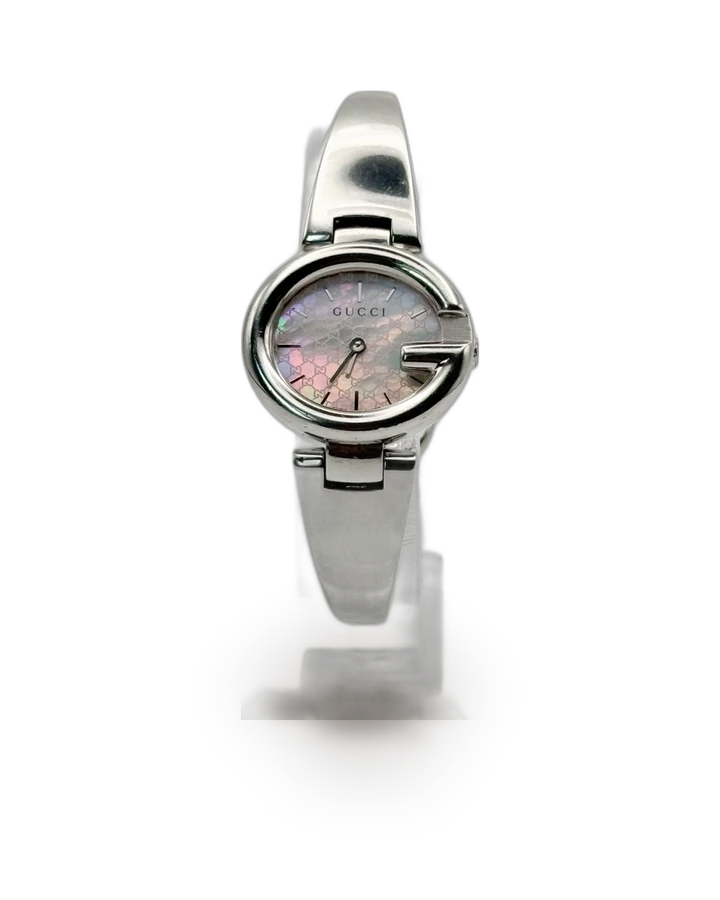
How to choose the size for a small wrist
No. A cocktail watch is jewellery that tells the time: small, often set with stones, sometimes with the dial hidden under a cover. A dress watch is made not to be noticed under a cuff: a flat case, a clean dial, a leather strap. The only thing they share is that neither is a sports watch.
Almost always no, it is the design. In the Thirties the time was glanced at, and the dial was the least important part of the object. If you do need to read it quickly, though, then that piece is not for you — and you can see that from the photographs, before buying.
Yes. The split between day and evening watches was a wardrobe rule that almost nobody follows now, and the way these pieces are worn today — alongside bracelets, on the wrist, every day — is exactly the opposite of that rule.
It depends on the wrist, not on fashion: the practical rule is that the case should sit within the flat part of the wrist, without reaching the bone. For an order of magnitude, out of 69 available watches the median size is 25 mm and 22 are under 24.